
Bereavement Support Wait Book of Ra Slot Loss Support in UK
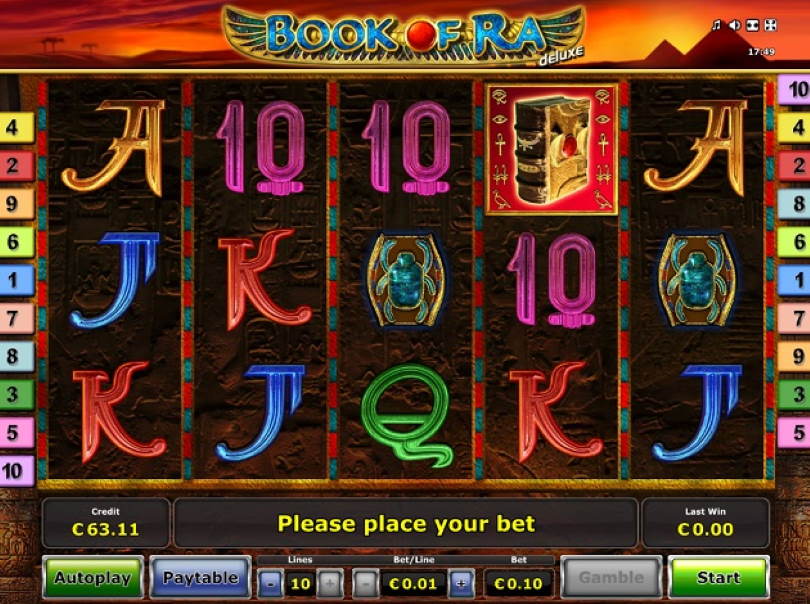
The intersection of gambling loss and emotional distress is a multifaceted and often overlooked reality slotbookof.com. While the thrill of games like the Book of Ra slot can be engrossing, the aftermath of significant losses can trigger intense feelings of grief, shame, and anxiety. In the UK, looking for support for this specific type of distress presents particular challenges, not least of which are the often-lengthy waiting times for professional grief counseling through the National Health Service (NHS). This article examines the emotional impact of gambling loss, framing it through a lens of grief, and provides a practical guide to navigating the support landscape while waiting for formal counseling. We will analyze the psychological parallels between traditional grief and gambling loss, outline immediate coping strategies, and specify the alternative support networks available to bridge the gap during waiting periods, offering a pathway for recovery that recognizes the specific pain of this experience.
Recognizing Grief Following Gambling Loss

The term “grief” is most commonly associated with the death of a loved one, but its psychological framework functions strongly to other profound losses, including significant financial loss from gambling. When a player suffers a substantial loss on a game like Book of Ra Slot, they are not just lamenting money. They are often grieving the loss of a hoped-for future, a sense of security, self-respect, and trust in their own judgment. This process can reflect the classic stages of grief—denial (“I can win it back”), anger (at the game, at oneself, at fate), bargaining (“if I just deposit a little more, I can fix this”), depression, and eventually, acceptance. Recognizing these feelings as a valid form of grief is the first essential step toward healing. It moves the experience from a shameful secret to a recognizable emotional injury that merits care and attention, allowing individuals to seek appropriate help without the added burden of feeling their pain is illegitimate or unwarranted.
The Psychological Impact of Major Loss
Past the immediate surprise, gambling loss can have profound and enduring psychological effects. The brain’s reward system, intensely activated during slot play, falters in the absence of wins, leading to chemical imbalances that intensify feelings of emptiness and depression. This is often compounded by cognitive distortions, such as the “illusion of control” or “chasing losses,” which can persist long after the gambling session ends, creating a cycle of rumination and despair. The financial consequences bring acute stress, affecting relationships, housing stability, and overall life quality, which in turn fuels anxiety and a sense of hopelessness. This multifaceted psychological impact highlights why professional support can be crucial; it addresses not just the behavior but the underlying emotional trauma and faulty thought patterns that the loss has either caused or revealed.
Separating Regret from Pathological Grief
It is important to discern between typical regret over a lost bet and a more pathological grief response that requires intervention. While temporary disappointment is widespread, signs of a deeper issue include extended emotional distress that disrupts with daily life, obsessive thoughts about the loss or recovering funds, physical symptoms like sleep problems or appetite changes, and engaging in further risky behaviors to dull the pain. When the grief over a gambling loss becomes overwhelming, leads to seclusion, or triggers thoughts of self-harm, it has moved beyond simple regret into a domain requiring structured support. Identifying this line is vital for individuals and their loved ones to understand the severity of the situation and the importance of seeking, and persistently looking for, professional help.
Navigating NHS Counseling Wait Times
In the UK, the primary route to free, professional mental health support is through the NHS, specifically via Improving Access to Psychological Therapies (IAPT) services. However, high demand means waiting lists for talking therapies like grief counseling can be lengthy, often ranging from several weeks to many months. This delay can feel particularly devastating for someone in acute distress following a gambling loss, where feelings of crisis are pressing. The process typically begins with a GP referral or self-referral to an IAPT service, followed by an initial assessment to determine the level of care needed. During this waiting period, individuals are not without support, but they must actively seek out interim resources. Understanding that this wait is a systemic hurdle, not a reflection of the validity of one’s pain, is essential to maintaining the motivation to eventually access the formal help.
Urgent Steps While on the Waitlist
Being positioned on a waiting list should not be a sign to pause all recovery endeavors. Proactive steps can handle distress and even start the healing journey before the first counseling appointment. The first and most crucial step is to establish immediate separation from gambling triggers. This includes using self-exclusion tools like GAMSTOP, restricting gambling websites, and avoiding environments where gambling is advertised. At the same time, creating a routine focused on physical fitness—regular sleep, nutrition, and physical activity—can help balance mood and lessen anxiety signs. Financial evaluation is also crucial; getting in touch with a free debt advice agency like StepChange or National Debtline can ease the practical burden, which in turn lessens emotional weight. These actions establish a foundation of steadiness, enabling the individual more open to therapeutic intervention when their counseling time finally comes.
- Utilize Self-Exclusion: Promptly register with GAMSTOP to restrict online gambling access for a minimum of six months.
- Reach out to Debt Advisors: Contact StepChange or National Debtline for a private, free financial assessment and plan.
- Establish a Daily Structure: Build a simple schedule that features wake-up times, meals, and a short walk to counter inertia and rumination.
- Apply Grounding Techniques: Acquire and employ simple mindfulness or breathing exercises to control acute moments of panic or distress.
Alternative and Urgent Support Networks
While waiting for NHS counseling, a wealth of different and urgent support networks can be found that concentrate in gambling-related harm. These resources deliver community, understanding, and hands-on guidance from people who have had similar experiences. They work alongside, not as a substitute for, professional medical advice but are invaluable for providing real-time support and reducing the isolation that exacerbates grief. Engaging with these networks can clarify the recovery process, offer hope through lived experience, and provide a safe space to share feelings without judgment. This multi-layered approach—combining peer support with eventual professional therapy—often produces the most sustainable recovery outcomes, as it handles both the emotional and social dimensions of gambling loss.
Expert Charities and Helplines
Groups like GamCare, Gordon Moody, and the National Problem Gambling Clinic provide focused support. GamCare manages the National Gambling Helpline (0808 8020 133), offering 24/7 free advice, information, and emotional support. They also provide organized one-to-one and group support sessions, both online and in-person, which may have shorter wait times than NHS counseling and are conducted by trained advisors knowledgeable of gambling’s unique dynamics. Gordon Moody delivers intensive residential treatment programs for those with severe gambling disorders, providing a complete break from gambling triggers. These specialist services understand the language of gambling grief intimately and can supply coping strategies and a recovery framework customized specifically to this issue, filling a critical gap during the NHS wait.
Peer-Led Recovery Groups
Peer support is a pillar of recovery for many. Groups like Gamblers Anonymous (GA) work on a 12-step model, providing regular meetings across the UK and online where individuals can discuss their experiences, strengths, and hopes with others on the same path. The strength of these groups lies in their universality; hearing others articulate similar feelings of loss and shame can be profoundly affirming and diminish the sense of being uniquely flawed. Other forums, such as the subreddit r/problemgambling or dedicated online communities, provide constant, anonymous access to peer support. The shared experience within these groups fosters accountability, offers practical tips for resisting urges, and builds a social network directed towards health, which is especially crucial when formal counseling feels distant.
- GamCare’s NetLine: Provides live, one-to-one chat support through their website, delivering immediate, text-based assistance.
- Gamblers Anonymous Meetings: Locate a local or online meeting to connect with a sponsor and work through the 12-step program.
- BeatTheGame App: Uses a cognitive-behavioral approach via smartphone, offering daily tasks and community support to reframe your relationship with gambling.
- Trusted Confidant: Select one non-judgmental person in your life (friend, family member, clergy) with whom you can be honest about your struggle.
Useful Coping Mechanisms During the Wait
Aside from seeking external support, building personal coping mechanisms is essential for managing day-to-day distress. These are not solutions to the underlying issue but are methods to get through the difficult interval before professional help begins. The goal is to create a “distress tolerance” toolkit that can be deployed when urges to gamble or feelings of grief arise. This involves both distraction strategies and emotional processing exercises. Distraction might include taking up a hobby that requires focus, like model-building or learning a simple instrument, or physical activity like swimming or running. Emotional processing can be facilitated through journaling, specifically writing about the loss and its impact to articulate and explore the feelings. Crucially, these mechanisms should be practiced during calm moments so they become known and reachable during times of crisis, creating a personal safety net.
Managing Finances and Digital Habits
Practical steps to take away the means and opportunity to gamble are a direct form of self-care. This goes beyond self-exclusion and involves a thorough audit of one’s digital and financial life. It can include handing over control of finances to a trusted person temporarily, using cash-only budgeting systems, closing online betting accounts, and installing website-blocking software on all devices. Furthermore, opting out of gambling promotional emails and disconnecting from related social media accounts reduces environmental triggers. This “digital detox” from gambling stimuli is not punishing; it is a protective barrier that allows the grieving mind space to mend without constant bombardment from the source of its pain, effectively creating a safer psychological environment while awaiting therapy.
Common Questions
Is it common to experience genuine grief after sustaining a loss on a slot like Book of Ra?
Undoubtedly. Substantial gambling loss frequently means more than just money; it can symbolize forfeited security, hope, and self-trust. The emotional response can parallel the stages of grief (denial, anger, bargaining, depression, acceptance). Recognizing this as a valid form of grief is the first step toward pursuing appropriate help and recovery, and it’s crucial not to dismiss these feelings as mere disappointment.
How long waiting times for NHS grief counseling in the UK?
Wait times vary significantly by region and service demand but can extend from 4 to 18 weeks for an initial appointment after assessment. For more specialized or intensive therapy, waits can be longer. It’s important to ask your GP or IAPT service for an estimated timeframe and to explore alternative support options immediately while you remain on the waitlist.
What actions can I take right now if I’m in crisis over gambling losses?
![Book of Ra 6 Slot Review [[2022]] - Six Reels - Massive Wins!](https://images.onlineslots.com/game-demos/en-book-of-ra-6/_1250x703_crop_center-center_82_line/book-of-ra-6-demo-1.jpg)
Right away contact the National Gambling Helpline (GamCare) at 0808 8020 133 for 24/7 support. Utilize GAMSTOP to self-exclude from all UK gambling sites. For acute financial panic, phone StepChange (0800 138 1111). If you have thoughts of harming yourself, reach the Samaritans at 116 123. These services provide immediate, confidential first aid for your crisis.
Do peer support groups like Gamblers Anonymous effective?
Certainly, for many people. Peer groups provide community, diminish isolation, and provide practical strategies from lived experience. They are not a substitute for professional therapy for underlying mental health conditions but are a powerful complementary support. The shared understanding can be incredibly validating and is often more immediately accessible than clinical services.
How do I explain my need for support to friends or family?
Select a calm moment and a trusted person. You might say, “I’ve been struggling with gambling, and the losses have affected me deeply, like a form of grief. I’m seeking help, but waiting for counseling. Your support would mean a lot.” You don’t need to share every detail. Concentrate on your feelings and your current actions toward recovery, which can make it easier for others to respond empathetically.
